A Practical Guide to Choosing Organic Mattresses for Urban Homes
In a city that never stops, where the skyline is a constant contrast to the sleep-weariness of late trains and early morning meetings, Manhattan sleep health has its own peculiar demands. The quest for an organic mattress in a compact urban bedroom is not merely about avoiding synthetic chemicals; it is about balancing sustainability, comfort, and space in a way that respects a sleepless metropolis. This guide walks you through materials, certifications, and practical considerations to help Manhattan residents—renters and homeowners alike—choose organic options that genuinely serve urban lives.
Why organic materials matter in urban bedrooms
Urban dwellers live in close proximity to the rhythms of city life—intense light from street-front windows, persistent noise, and the dry heat of apartment climates that swing between winter drafts and summer humidity. Organic mattresses offer more than a commitment to sustainable farming or fair labor; they promise a sleep surface that aligns with sensitive urban conditions. Organic wool, cotton, and latex are often chosen for their breathable properties, reduced chemical exposure, and longer-term durability. In a small Manhattan bedroom, this translates into a surface that stays cooler in the summer, warmer in the winter, and more breathable overall, reducing nightly heat buildup and moisture retention.
Beyond comfort, organic materials frequently carry certifications that help a buyer navigate the crowded marketplace. Certifications act as a shared language—GOTS for organic textiles, GOLS for organic latex, and other third-party verifications—that help distinguish products built with transparent supply chains and responsible manufacturing practices. For city residents, these signals can be especially meaningful when space constraints push you toward longer product lifespans and fewer replacements over time.
Key certifications and what they guarantee
Any robust organic mattress discussion begins with where the materials come from and how they’re processed. The most widely recognized certifications to look for include:
Global Organic Textile Standard (GOTS): This certification covers textiles that are organic from field to finished product, including environmental and social criteria for processing factories. When you see GOTS on fabric coverings or textiles within a mattress, it signals a holistic commitment to organic fiber content and responsible processing.
Global Organic Latex Standard (GOLS): For latex cores, GOLS certification verifies that latex is sourced from organic plantations and processed under standards that minimize chemical exposure and environmental impact.
Other third-party traceability and safety marks: Depending on the region, you may encounter additional certifications that focus on flame retardants, phthalates, or formaldehyde content. While certifications vary by brand, the presence of independent verification is a strong indicator of credibility.
When selecting an organic mattress, these certifications aren’t mere niceties; they translate to real-world benefits in the form of chemical sensitivity reduction, improved airflow, and long-term resilience. In the tight quarters of a Manhattan apartment, a mattress with verified organic materials often means fewer odors, more consistent sleeping temperatures, and a surface that remains comfortable for years without needing routine chemical-driven refreshment.
Brand-focused tour: trusted options in the local market
For New York City residents seeking organic options, a few brands have established reputations for coupling organic materials with thoughtful construction. Among the brands that commonly appear in curated selections are Naturepedic and similar lines that emphasize organic cotton, wool, and certified latex components. These brands are often cited for clear material disclosures, transparent manufacturing narratives, and a willingness to discuss configuration choices that suit small urban bedrooms.
In our city-focused context, the value of a brand lies not only in the purity of materials but also in how well the mattress scales to urban life. A mattress must adapt to compact rooms, tight storage realities, and, in some cases, adjustable bases that many Manhattan residents rely upon to maximize sleeping area in studio or one-bedroom apartments. The Serenity or similar latex-based organic options can offer versatile layering, which means sleepers can tailor firmness and contour to individual needs without stepping outside the organic promise.
Practical considerations for small spaces and diverse sleep needs
Urban bedrooms demand a practical lens. Here are factors that often determine whether an organic mattress will truly fit a Manhattan lifestyle:
Firmness and contouring: In smaller rooms, a mattress that provides adaptable support through modular layering can be a virtue. Many organic latex mattresses offer configurable layering—soft, medium, and firm options—that let partners customize comfort without replacing the entire bed structure.
Temperature regulation: Organic latex and wool blends tend to breathe well, aiding in temperature balance across seasons. This is particularly relevant in pre-war or newer city apartments with inconsistent insulation or radiant heat.
Allergen considerations: Wool, cotton, and latex can contribute to a cleaner sleep surface for many sleepers, especially when paired with a high-quality encasement and breathable covers. For some, silk or cotton blenders in covers can further reduce friction and promote skin comfort.
Durability and longevity: A well-constructed organic mattress often carries a longer lifespan than lower-cost synthetics. In a city where product turnover can be high, a durable organic option reduces the frequency of replacement and aligns with sustainability goals.
Delivery, setup, and space constraints: Manhattan dwellers frequently navigate narrower stairwells and elevator access limitations. Brands that offer clear pickup, delivery, and setup logistics with compact packaging or on-site assembly can ease the process of moving a sizeable mattress into a small apartment.
Where to begin in the NYC market
When surveying organic options in the Manhattan ecosystem, begin with a focused search that prioritizes material transparency and third-party verification. A practical approach includes:
Review product pages for explicit disclosures about the latex source (to ensure organic certification) and the presence of wool or cotton quilting certified under recognized standards.
Check for a visible, comprehensive warranty and a clear explanation of care requirements. A 20-year or similar long-term warranty is often a signal of durable construction and brand confidence.
Look for customer guidance on layering and assembly, especially for models that permit by-side customization. The ability to tailor comfort without altering the fundamental organic integrity is appealing in shared urban bedrooms.
Explore showroom experiences when possible. In densely populated neighborhoods, in-person consultations can clarify comfort expectations, layer configurations, and sleep-position compatibility in real-world settings.
Product spotlight: a relevant option that fits the guide’s scope
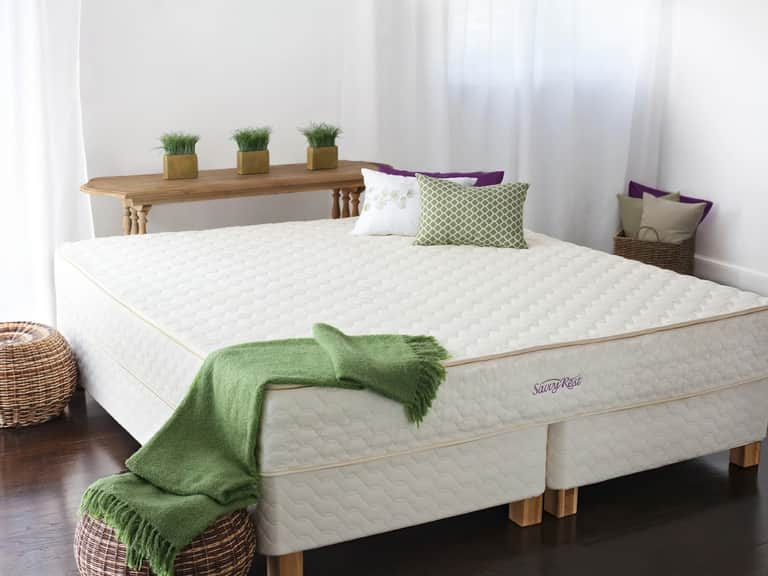
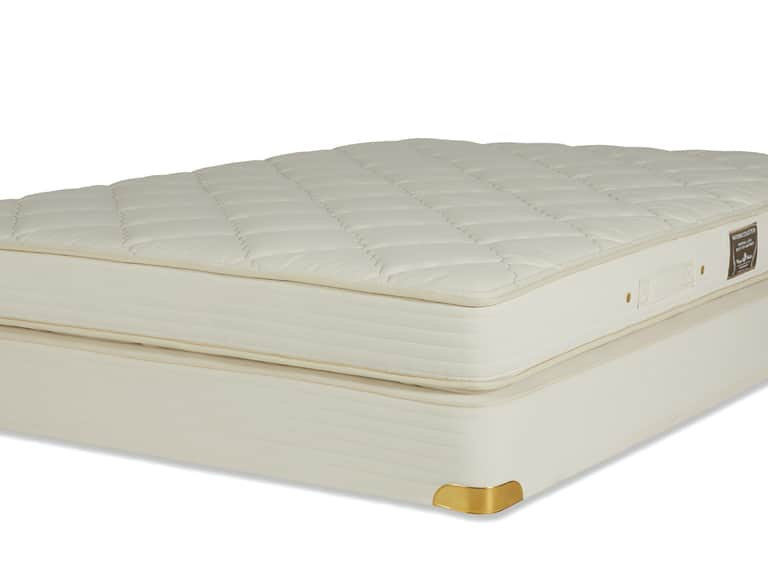
Among the products available through the site ecosystem, one example stands out as fitting the organic mattress narrative and the urban bedroom ethos: the Savvy Rest Serenity Latex Mattress. This mattress is an exemplary case study for the guide’s themes. It embodies organic materials—Dunlop or Talalay latex, organic wool, and organic cotton—within a modular framework that appeals to urban sleepers seeking customizable firmness without sacrificing organic integrity. Its design emphasizes a sturdy organic cotton casing with wool quilting, and the configuration can be adjusted by layer to accommodate different sleep preferences. While Savvy Rest Serenity is a premium choice, its emphasis on customization and organic sourcing aligns with the guide’s core principles: clean materials, transparency, and long-term comfort suited to the complexities of city living.
When evaluating this or similar options, consider the following questions: How do the layers influence temperature and support across different seasons? What is the maintenance profile (repairs, cover cleaning, fall maintenance) for a surface intended to last years in a busy urban apartment? How does the mattress interact with an adjustable base, which is common in NYC living spaces to maximize under-bed storage or living area? These questions help translate organic material advantages into real-life benefits for urban sleepers.
In the end, the aim is a sleep surface that stays true to its organic promise while accommodating the unique constraints of Manhattan living. A well-chosen organic mattress should feel cohesive with your bedroom's scale, climate, and daily routines, inviting you to lie down each night with a sense of quiet confidence about what touches your body as you drift toward rest.
Concluding thoughts
Choosing an organic mattress in an urban home is less about chasing a trend than about creating a dependable, health-forward sleep sanctuary within the constraints and rhythms of city life. Certifications matter because they provide a practical map through a crowded marketplace, guiding you toward materials that are not only better for the environment but better for your sleep. In Manhattan, where bedrooms are often compact and life is loud, an organic mattress that breathes well, maintains temperature, and resists wear can become a quiet anchor—a place of rest amid the constant motion outside your door.
As you navigate this market, remember that the right choice depends on your body, your space, and your values. The goal is not merely to purchase a mattress but to invest in a sleep experience that sustains you through the city’s daily demands. In the end, the organic path is as much about a mindful approach to daily living as it is about restful nights.
Official product note
The following product is highlighted here for alignment with the article’s organic mattress focus and availability within the described brand ecosystem. It is presented as a genuine option fitting the topic and is linked to its official product page:
Savvy Rest Serenity Latex Mattress — a customizable, organic-latex-based mattress featuring layers of Dunlop and/or Talalay latex, organic wool padding, and an organic cotton cover. This model supports individualized firmness configurations and accommodates an adjustable base.
Experience tailored support with natural latex, breathable wool, and plush comfort. Ergonomic, temp-regulated nights, minimal motion transfer, and flexible on platform, box spring, or adjustable bases for luxurious, injury-free sleep.
Upgrade any bed with breathable, cooler foam that hugs you softly. Two thickness choices, easy setup, and a snuggly soft-knit cover for instant, breathable comfort every night. Sleep cooler, wake refreshed.