A mattress topper adds a comfort layer above a mattress and can help create a more suitable sleep surface without changing the underlying mattress. For a child’s crib, fit and compatibility are especially important: the topper should be designed for the specific crib mattress and should not create gaps or interfere with a secure, flat sleeping surface.
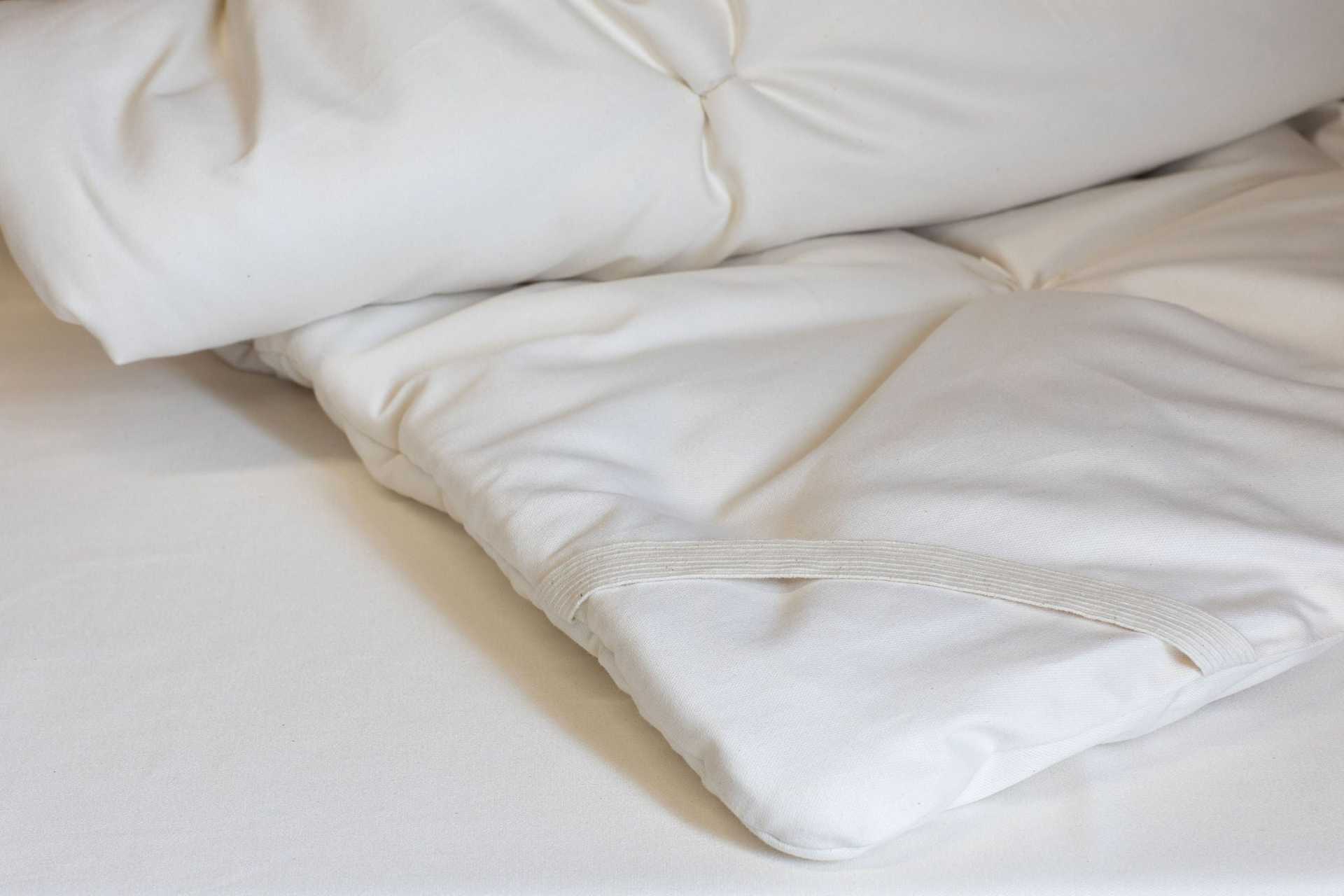
The Natural Child’s Crib Mattress Topper is intended for use with a child’s crib mattress. Its role is to provide an additional layer over the mattress, while the word “natural” identifies its material positioning; exact materials and construction should be confirmed in the product specifications. This information helps caregivers assess how the topper relates to their bedding preferences.
When evaluating a crib mattress topper, consider its dimensions, thickness, care instructions, and compatibility with the mattress and fitted sheet. A close fit helps keep bedding in place. Caregivers should follow the manufacturer’s guidance and current safe-sleep recommendations, since a topper should not compromise the firmness or fit of the child’s sleep surface.
Natural materials can be relevant to families comparing bedding, organic mattresses, and organic crib mattresses. However, “natural” does not by itself establish that a product is certified organic or contains latex. Reviewing material disclosures and certifications can clarify whether latex or other specific components are present and help distinguish documented attributes from broad descriptions.
A crib mattress topper serves a different purpose from pillows, which are separate bedding items and are generally not appropriate for an infant’s sleep space. Understanding the topper’s intended use, materials, fit, and maintenance needs supports informed decisions about children’s bedding. These considerations are useful when comparing a Natural Child’s Crib Mattress Topper with an existing crib mattress.
 Bedding